© 2026 Michael Gabriel Viloria. All rights reserved. Copyright & permissions
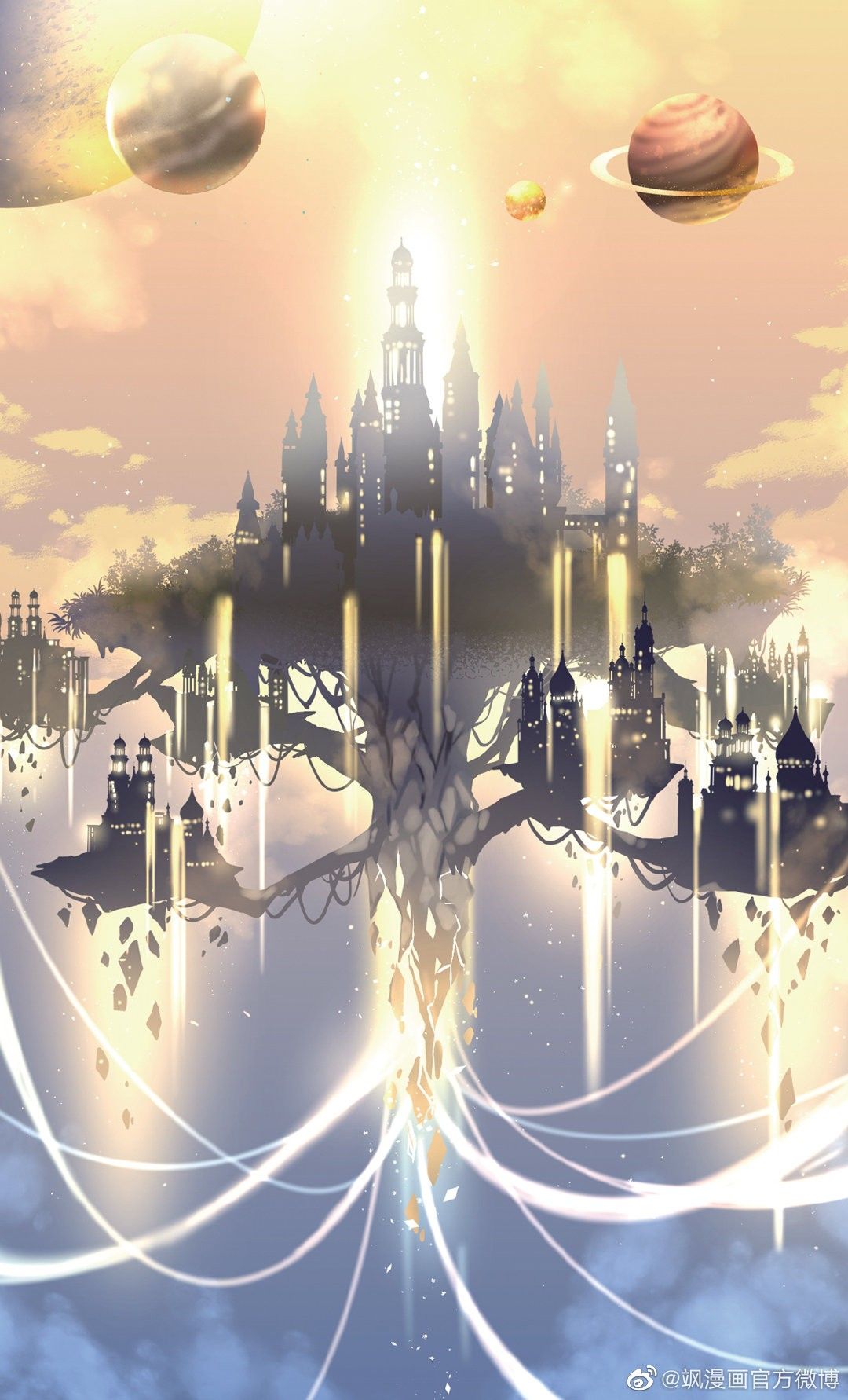
Aeris is the world in which Mark of Ruin takes place: a realm of nine continents, living gods, dangerous wilderness, and settlements governed through temples. Each continent falls under the rule of a Prime God. The rival deities of the Octagram seek to wrest those lands and their peoples from the Prime Gods, sustaining the conflict known as the Divine Wars.
There are no mortal kingdoms in this age. Sovereignty belongs to the gods, and their temples exercise both religious and civil authority. People build homes, raise families, trade, work, and celebrate beneath powers that can judge them, protect them, or devastate the land around them.
| Geography | Nine continents separated by vast oceans |
|---|---|
| Political order | The Divine Dominion: continental rule by Prime Gods through temple institutions |
| Judicial authority | Divine Magistrates, acting as the gods’ voice and judgment |
| Military and policing | Exaltants, celestial beings, and subordinate temple forces |
| Established religion | The Divine Concordance, recognizing twelve Prime Gods and the eight rival gods of the Octagram |
| Written records | Stone tablets; books and paper have not yet been invented |
| The novel’s principal setting | Luira, the continent ruled by Sylara, the Verdant Keeper |
Geography and the living landscape
Aeris’s nine continents contain distinct environments and communities, but all bear the effects of divine presence. Settlements stand among extensive forests, mountains, coastal waters, and territories where travel remains dangerous. Roads connect inhabited places through lands shaped by wild creatures, unfamiliar magic, and the aftermath of celestial conflict.
Divine power leaves physical traces. Valleys can carry the scars of a god’s weapon; forests can become petrified; chasms can retain a glow long after the battle that opened them. Near places of concentrated power, water may flow against its expected course and stones may hang above the ground. Such phenomena belong to the world people inhabit, even when their causes remain beyond mortal understanding.
The Elysian Peaks are a principal seat of divine power. Their crystalline heights, temple halls, and celestial strongholds connect the Prime Gods’ higher court to the administration of the continents below. Access is a privilege, especially for the appointed servants entrusted to speak with the gods.
Luira: the setting of Mark of Ruin
Luira lies in Aeris’s western hemisphere under the dominion of Sylara, the Verdant Keeper. Known as the green continent and the Verdant Keeper’s Grove, it is characterized by forests, wild lands, and communities whose livelihoods depend on the natural world.
Hadriel Norwyn’s story begins in Roanake, a hunting village near Torchill Woods and the coast. Hunting, curing hides, fishing, and practical craft sustain its households. The village’s temple stands above ordinary life both physically and politically: Sylara’s observances shape its calendar, and her authority reaches into the choices its people are permitted to make.
Luira also contains market towns such as Vinterhaven, the city of Etrivan, and the hidden refuge of Arcanum Tenebris. Ruined strongholds and burned landscapes preserve the consequences of earlier conflicts. The continent offers the novel both the intimacy of a village where everyone knows one another and the larger reach of divine institutions.
Sylara’s conflict with Nyxir, the Shadowfang, enters the opening story directly. Thunder, unnatural light, falling ash, and disturbed wildlife make a war between gods part of a hunter’s experience on the ground. For people beneath it, celestial combat is an immediate condition of survival.
Explore the map and world notes of Luira.
Origins and history
The Founding
The Founding, also remembered as the First War or Divine Genesis, precedes mortal records. The gods united against the Primordials, elemental beings associated with the raw, untamed forces of creation. Their struggle shaped mountains and seas before the Primordials were defeated and bound within the Elemental Planes.
In the aftermath, the gods fashioned mortals in their image. Divine tradition remembers this as the beginning of the relationship between creator and creation, and the source of the gods’ claim to authority over Aeris. The Founding therefore serves as both an account of the world’s origins and a foundation for its religious government.
The Great Schism
The unity of the gods did not survive their disagreement over mortals. The faction that became the Octagram rejected the devotion of their divine kin to mortal life and sought to corrupt or dominate those creations. The rupture divided the pantheon into the Prime Gods and their rivals.
The Divine Concordance teaches that mortals once possessed immortality. According to this account, the Prime Gods withdrew that gift to prevent the Octagram’s corruption from destroying the world. Mortality, divine protection, and obedience are consequently bound together in the temples’ explanation of history.
The Divine Wars
The Divine Wars are the continuing struggle that grew from the Schism. The Prime Gods defend their continental dominions; the Octagram seeks to take those dominions away, break their authority, and impose its own power. Conflict occurs through the gods themselves, their celestial or otherworldly servants, and mortal followers.
For a settlement, the consequences extend well beyond the moment of combat. A damaged hunting ground can threaten its food supply. An unsafe road can isolate it from trade. Divine devastation can leave a place uninhabitable, while the fear of another attack changes where people travel and what risks they take.
The temples commemorate victories and describe their patrons as protectors. Mortals also live with the costs of that protection. The same war celebrated in a holy procession can be remembered by a family through the home, livelihood, or loved one it lost.
Orolin’s theft and the mortal defiance
During the age of divine conflict, Orolin obtained the closely guarded secrets of arcane magic and taught selected mortals to wield them. Temples remember this act as the Theft of Magic; arcanists remember Orolin’s Gift or the First Defiance. Both accounts recognize it as a decisive breach in the gods’ control of power.
Mortals who learned these arts acquired a means of defending themselves without waiting for divine permission. Some turned their power against both sides of the celestial struggle. The ensuing persecution, remembered in the history of the Second Defiance, strengthened the division between sanctioned divine champions and forbidden arcanists. Hidden sanctuaries such as Arcanum Tenebris preserve the knowledge and people the Dominion seeks to suppress.
Government: the Divine Dominion
Aeris has no kings or queens governing mortal kingdoms at this time. Each continent’s Prime patron is its sovereign. Grand temples and divine seats of power serve as centers of worship, administration, and judgment. Religious allegiance and political obedience are closely connected.
High Priests and temple officials manage ordinary administration. Regional authorities, settlement leaders, and village elders handle local affairs within that hierarchy. Communities may have their own customs and ways of deliberating, but those practices remain subject to the patron deity’s authority.
Divine Magistrates
Divine Magistrates carry the will of the gods into mortal affairs. They are the appointed voice and judgment of their patrons, interpreting decrees, hearing grave transgressions, and issuing decisions with divine authority behind them. The established order appoints four judges to each continent, based at its patron’s seat of power.
The Magistrates’ office developed after the Theft of Magic, when repeated direct intervention proved costly for the gods. Appointed intermediaries allowed divine government to continue without requiring a deity to appear for every conflict. Magistrates hold the exceptional privilege of conferring with the gods in the Elysian Peaks.
Exaltants and celestial enforcement
Exaltants and other celestial beings provide the Dominion’s military and policing power. They carry out divine commands, enforce judgments, confront threats to temple authority, and pursue those accused of forbidden arcane practice. Mortal peacekeepers and other temple servants assist with local order beneath that larger system.
The Exaltants are elite empowered enforcers whose order arose in the aftermath of Orolin’s theft. Dispatched from their stronghold in the Elysian Peaks, they are especially associated with the suppression of mortal arcane magic. Their arrival makes the consequences of a divine decree immediate and physical.
To the faithful, these forces embody protection and righteous order. To an arcanist hiding among them, a celestial servant’s presence can mean discovery, judgment, and death. The law’s force depends on who is standing beneath it.
The pantheon
The Divine Concordance recognizes twenty deities: twelve Prime Gods and the eight gods of the Octagram. The nine continental dominions belong to Prime patrons; the pantheon’s membership is broader than that territorial arrangement. Luira’s ruling patron is Sylara.
The twelve Prime Gods
| Deity | Principal domains |
|---|---|
| Veyna, the Unbound Voyager | Freedom, trade, travel, adventure, and luck |
| Auronis, the Argent Warden | Justice, honor, and good-aligned metallic dragons |
| Eldareth, the Eternal Muse | Art, beauty, the fey, and spring |
| Jorannis, the Lawkeeper | Civilization, laws, and peace |
| Mythra, the Veiled Scholar | Learning, prophecy, knowledge, and skill |
| Rhovan, the Stormforged | Battle, competition, and storms |
| Sylara, the Verdant Keeper | Wild nature and untamed lands; ruling patron of Luira |
| Durann, the Worldshaper | Craft, creation, family, and legacy |
| Solrion, the Radiant Father | The sun, agriculture, and summer |
| Pluron, the Endless Weaver | Fate, death, twilight, and winter |
| Elyra, the Dawn’s Mercy | Redemption, compassion, healing, temperance, and dawn |
| Lunessa, the Silver Veil | Misdirection, love, moonlight, and autumn |
The Octagram
The Octagram is the rival faction commonly called the Betrayer Gods or the Evil Ones within the established faith. Its members seek dominion through conquest, corruption, terror, and subversion. Worship of them is prohibited under the Dominion, driving their mortal cults into concealed shrines, clandestine gatherings, and hidden networks.
| Deity | Principal domains |
|---|---|
| Maezoth, the Crimson Tyrant | Domination; ruler of the Nine Hells |
| Vorak, the Warborn King | War and conquest |
| Rhazgoth, the Bloodied Maw | Slaughter |
| Nirissa, the Weaver of Lies | Deceit, shadows, and spiders |
| Zolthun, the Hungering Abyss | Destruction and madness |
| Seryx, the Hoarding Queen | Greed, envy, hoarded wealth, and chromatic dragons |
| Vaelgor, the Shackled Horror | Torture and enslavement |
| Nyxir, the Shadowfang | Poisons, assassins, and darkness |
Religion and daily life
Religion structures ordinary time. The Dawning Prayer begins the day; the Twilight Reflection closes it. Temple bells mark observances, weekly services gather communities, and festivals connect the passage of the seasons to divine history. The existence of the gods is part of lived experience, though access to their attention is mediated by their servants.
A person’s continental patron receives primary devotion, but the other Prime Gods remain part of religious life. A merchant may seek Veyna’s blessing before a journey, an artisan honor Durann through a family heirloom, and a farmer offer thanks to Solrion for a harvest. Temples maintain shrines to multiple Prime deities, with the ruling patron’s shrine occupying the central place.
In Luira, Sylara’s Verdant Grandeur brings feasting, music, storytelling, and contests of skill. The ceremonial hunt and archery observances connect religious devotion to the abilities a village depends on. Other communities honor their patrons through craft, debate, vows, vigils, and practical acts of care.
Local traditions give faith a household scale. Among the Sylvan Folk, couples marry beneath a settlement’s oldest tree and plant a sapling together. Children learn practical skills and natural lore from their community. Sacred groves, communal meals, songs, and carved records bind worship to the places where people live.
Work, status, and education
The Dominion’s caste system places people in inherited social roles, including hunters, fishers, smiths, and doctors. High Priests stand near the summit of that order. Occupation carries expectations about duty and belonging, reinforced by the claim that the hierarchy expresses divine will.
Education combines the skills required for a person’s place in the community with religious histories and correct observance. Children learn how the Founding is remembered, which gods govern their lives, and why the temples condemn arcane power. Families and village elders also transmit knowledge that is intensely local: a safe route, a dangerous season, or the signs of something wrong in the woods.
Those discovered to possess forbidden arcane abilities risk being declared casteless and excluded from the protections of ordinary society. Concealment and underground refuge become matters of survival. This danger shapes Hadriel’s life before the wider world knows his name.
Death and remembrance
Funeral observance places mortality under Pluron’s authority. Death Keepers prepare the dying and the dead, using sacred waters, herbs, prayers, and burial offerings. A silver token bearing Pluron’s mark is placed beneath the tongue for passage into the afterlife.
Families prepare cherished objects for burial and gather for mourning vigils. At the Final Feast, stories about the deceased are shared, with each tale understood to strengthen the departing soul. Written death records preserve names and ritual details; the living preserve much of the person’s remembered life through their voices.
Trade, craft, and recorded knowledge
Aeris’s communities live by agriculture, hunting, fishing, craft, and trade. Coastal settlements depend on boats and maritime exchange; inland markets bring together produce, hides, tools, and other necessities. Caravans require protection along roads that cross dangerous territory, and major market towns provide meeting points between scattered settlements.
Divine Tokens form the principal currency. Regional tokens bear the influence of their patron gods, and temple authorities authenticate them, oversee exchanges, and collect tithes. Commerce therefore remains tied to religious administration. Temples serve as economic centers alongside their roles in worship and government.
Practical invention exists within this order. Stormforge, a coastal ironworking technique, uses local minerals, resins, and controlled heating to produce metal resistant to salt corrosion. Communities such as Roanake depend on these durable tools and fittings. Craftspeople preserve improvements through teaching and trade while remaining cautious about innovations that could attract divine scrutiny.
Books and paper have not yet been invented. Stone tablets carry contracts, household accounts, genealogies, legal records, maps, and accumulated learning. Most stories and much practical knowledge pass orally from one generation to the next. Memory spheres emerge later in Aeris’s history, preserving events only through what a witness sees.
Read about stone tablets, oral storytelling, and memory spheres.
Divine power and forbidden magic
The Dominion draws a fundamental distinction between power granted by a god and arcane power claimed by a mortal. Chosen clerics, paladins, and celestial servants exercise sanctioned divine abilities. An arcanist draws upon the Weave, perceiving and manipulating the threads of power that run through Aeris.
Temple doctrine calls this divine theft. A spell that saves a life can still expose its caster to persecution, because the offense concerns the source of the power and the authority to use it. Hidden communities of arcanists preserve another understanding: that mortals need the means to protect one another in a world shaped by conflicts they did not choose.
This dispute runs through Aeris’s religious, political, and personal life. The gods’ sovereignty reaches from the continent to the household, while mortal survival depends on choices made in the space between decree and consequence. On Luira, Hadriel’s concealed Mark brings that conflict into the opening of Mark of Ruin.
Stay for the next story.
Get a short email when I share new stories, novel excerpts, world notes, or blog posts.
Choose your alerts after signing in.
Unsubscribe anytime.
Comments
Share your thoughts. Please keep it respectful and flag spoilers.
Sign in to your reader account to comment or reply. Everyone can read the discussion.
You can remove comments as the author.
Loading comments…